 sabelitalia.com – Key Commentary & Notable Stories
 sabelitalia.com – Key Commentary & Notable Stories
Skin cancer is one of the most common types of cancers in the world. And now, legendary cricketer Michael Clarke has revealed that he has been diagnosed with skin cancer. Clarke, who is one of the finest Australia cricketers, took to social media to share the news with his fans and followers. "Skin cancer is real! Especially in Australia. Another one cut out of my nose today. A friendly reminder to get your skin checked. Prevention is better than cure but in my case, regular check-ups and early detection is key. So grateful that @drbishsoliman_ got it early," he shared in an update.Photo: Michael Clarke/ Instagram

Skin cancer is mainly caused by damage to the DNA of skin cells, which triggers abnormal growth. The biggest risk factor is ultraviolet (UV) radiation from the Sun or tanning beds, which harms skin cell DNA over time. Other causes of skin cancer include a weak immune system, exposure to toxic chemicals (like arsenic, etc), getting sunburns repeatedly, or genetic predisposition. Also, people who are fair-skinned or have many moles on theri skin are more vulnerable to getting skin cancer.
Here we list some very early signs of skin cancer one should not miss:
One of the earliest signs that might indicate towards skin cancer is change in a mole's shape, size, colour or texture over time. A general rule of thumb to detect this early on is by using the ABCDE rule. As per the ABCDE rule, one should look out for the following changes in their moles:
Asymmetry – one side doesn't match the other
Border – edges are irregular or blurred
Colour – multiple shades present
Diameter – typically larger than 6 mm
Evolving – changes over time, including bleeding or itching
Any such changes may indicate melanoma, which is one of the most serious forms of skin cancer. If you notice any such changes in your moles, then do consult your doctor or skin specialist at the earliest. Remember, early detection is key to smooth and faster recovery.
A wound or sore that constantly bleeds, crusts, or doesn't heal over time— especially in Sun-exposed areas— should not be ignored as basal cell and squamous cell carcinomas often behave in this manner. If a sore remains unhealed or keeps recurring for more than a few weeks, it should be tested by a dermatologist.
While dry, flaky spots or wart-like patches may seem harmless, one should not ignore them. These scaly, crusty areas are often found on the face, neck, or hands— and can be early indicators of basal cell or squamous cell carcinoma. If you have scaly or rough patches that go unhealed for weeks even with normal skincare, then don't ignore them. Visit a dermatologist and let them check these.
While most early signs of skin cancers are painless— not all of them are the same. Some lesions or spots on the skin may be more itchy, feel tender, or even hurt upon touch. If so, do not ignore them as they might signal underlying cancer.
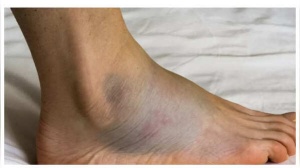
A dark brown or black streak under a fingernail or toenail can point towards subungual melanoma-- this is a rare but aggressive form of cancer. People can often mistaken them for bruises, but one should get these streaks evaluated by a doctor for early skin cancer detection.
Newer articles
Older articles

 5 Overlooked Warning Signs of Colon Cancer: Early Detection Saves Lives
 Vijay Sethupathi Apologizes Amid Controversy Over Son Surya's Film 'Phoenix'; Thalapathy Vijay's Support Revealed
 Shukla's ISS Arrival Heralds New Era for Indian Space Exploration; Gaganyaan Mission Looms
 Android Security Alert: Government Warns of Critical Flaws Exposing User Data
 Smith Eyes Grenada Test Return After Injury Layoff
 Skin Deep: 7 Warning Signs on Your Skin That Could Signal Heart Trouble
 Staying Hydrated May Significantly Lower Risk of Heart Failure, New Study Suggests
 Gambhir Sidelines Pant's Twin Tons After India's Test Loss, Emphasizes Team Performance
 How Much Does Baccarat Rouge 540 70ml Perfume Cost: Learn About This Luxurious Product
 Moto G54 Price Slashed in India: Check Out the New, Lowered Costs